Two methods clear most blocked drains: traditional rods and high-pressure water jetting. Each one has its place, and knowing the difference helps you pick the right fix rather than the wrong one.
How drain rods work
Rods have cleared blockages for over a century. Flexible sections screw together, with different tips for different jobs. An operator pushes and twists the rod towards the blockage, hoping to break it up or push it clear.
Rods are cheap and simple, and need no power source at all. That makes them useful for a quick, accessible blockage. However, they usually reach no further than about 15 metres before they lose their force.
Where rods fall short
A rod can push debris further into the pipe instead of removing it. This sometimes hides a problem rather than fixing it, since the pipe still carries less water than before. An inexperienced user can also crack an old or fragile pipe by pushing too hard.
Because rods only push through the middle of a blockage, they rarely clean the pipe wall itself. Grease and scale stay behind, ready to build up again within weeks.
How high-pressure jetting works
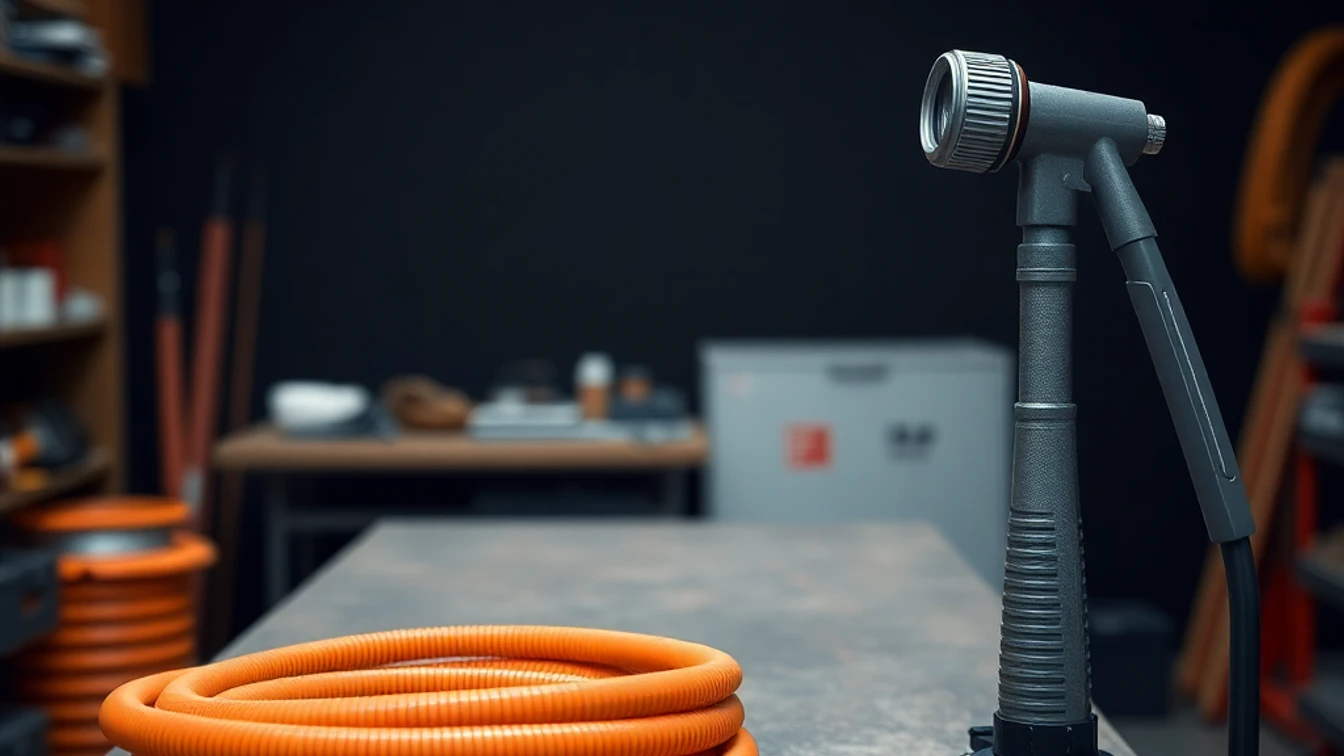
Jetting uses a flexible hose fitted with a specialised nozzle. Water blasts out at high pressure. Some jets face forward to cut through the blockage. Others face back, pulling the hose through and flushing debris toward the access point.
A jetting rig reaches much further than a rod, often over 100 metres down a single run. Because the water pressure cleans the full pipe wall, not just the blockage itself, it clears many blockages faster than rodding alone.
The rules behind rodding access
Approved Document H sets out where drain access points should sit. Access should sit at or near the head of each drain run. It should also sit at every bend, gradient change or junction along the way. A rodding eye, defined in the same document, is simply a capped extension of the pipe.
These access points exist for normal rodding. Rodding does not have to follow the direction of flow. The rules never had mechanical jetting equipment in mind, though modern jetting hoses still use the same points to enter the pipe.
The industry code that governs jetting
The Water Jetting Association publishes a single code of practice covering safe jetting work. Its 2026 Black Code brings together three earlier codes: the original Blue Code from 1982, the Red Code for drains and sewers from 2002, and the Purple Code from 2024.
That code covers hose inspection, testing, and the safe use of jetting equipment. A badly maintained hose can fail under pressure, so following it matters for the operator's safety as much as the customer's pipe.
When each method actually suits the job
Rods still suit a simple, visible blockage close to the access point, or a situation where jetting equipment is not available on the day. Very minor slow drainage sometimes clears with rods alone, without any need to escalate further.
Jetting suits almost everything else. Think fat and grease build-up, tree root ingress, a full blockage, or a pipe that keeps blocking again and again. Commercial properties, in particular, benefit from the deeper clean jetting gives over a rod alone.
Why jetting often works better than rods
Jetting clears blockages that rods cannot reach at all, since it cleans the full pipe wall rather than just pushing a hole through the blockage. It often finishes the job faster, too. Because the pipe stays cleaner afterwards, the same blockage is less likely to come back.
On a typical drain jetting call-out, the engineer checks the access points first, then uses a camera to confirm the exact location if needed. They fit the right nozzle for the job and clear the blockage. You can ask for another camera pass afterwards to check the result.
What jetting typically costs
Cost guides such as Fantastic Services and MyJobQuote put professional drain jetting at roughly £70 to £175 outside London, against £80 to £250 for general drain unblocking work. Treat these as typical ranges rather than a fixed price, since the length of pipe and the severity of the blockage both affect the final cost.
Weighing up the cost
DIY rods look cheaper at first glance. However, an incomplete clear often means calling a professional anyway once the blockage returns. Pipe damage from over-enthusiastic rodding can cost far more to repair than the original job. Professional jetting, in contrast, tends to work out cheaper over a full year.
For other plumbing emergency costs, see our guide to emergency plumber costs in Wolverhampton.
If you suspect pipe damage is behind a recurring blockage, a CCTV drain survey confirms whether drain repairs are actually needed before you commit to further work.
Jetting across the area
Jetting can be requested across the whole area, and access points and pipe ages stay broadly similar from town to town. Find your own town in the list below.
- Drain jetting in Wolverhampton
- Drain jetting in Walsall
- Drain jetting in Dudley
- Drain jetting in Bilston
- Drain jetting in Wednesfield
- Drain jetting in Willenhall
- Drain jetting in Tettenhall
- Drain jetting in Codsall
- Drain jetting in Cannock
For repairs after a survey confirms a fault, drain repairs cover everything from a single cracked joint to a full re-line, and the service is available across five of the core towns.
- Drain repairs in Wolverhampton
- Drain repairs in Walsall
- Drain repairs in Dudley
- Drain repairs in Cannock
- Drain repairs in Bilston
Nozzle choice matters too
A root-cutting nozzle suits a pipe with tree root ingress, while a flat-fan nozzle works better against grease and scale on the pipe wall. A penetrating nozzle, meanwhile, pushes through a solid blockage before the main clean begins. Picking the wrong nozzle wastes time on site, so an experienced operator checks the pipe first, then chooses accordingly.
Signs you need jetting, not rods
A drain that blocks again within a few weeks of clearing usually needs jetting rather than another round of rodding. The same goes for a kitchen drain with a slow, greasy smell, since that points to a coating on the pipe wall rather than a single lump of debris. Our guide to preventing blocked kitchen drains covers the daily habits that keep this from building up in the first place.
Book a jetting visit
Request a quote online for drain clearing near you, and the engineer will confirm the right method before starting.