
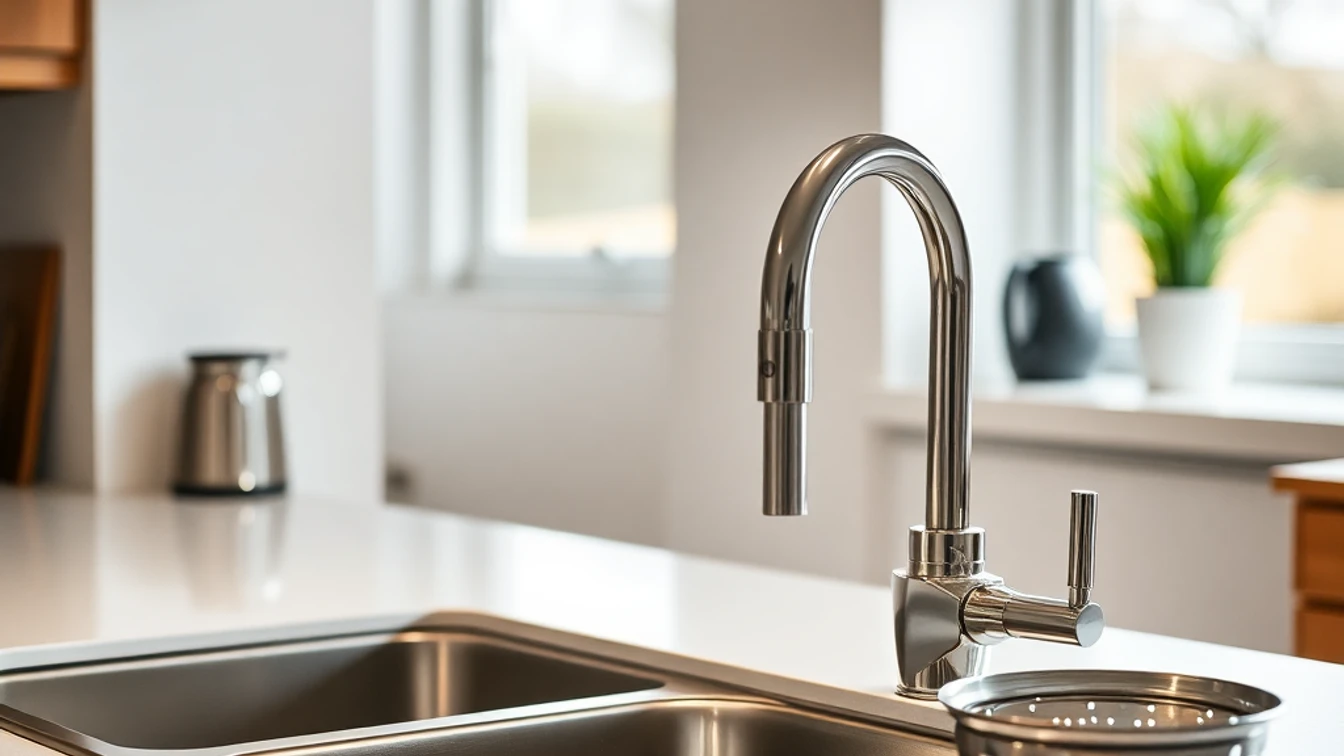
Kitchen drains take more punishment than any other drain in the house. Cooking oil, food scraps and soap residue all go down the same pipe, day after day. Because of that, the kitchen sink is one of the most common places for a blockage to start.
Why kitchen drains block so easily
Fat, oil and grease are the main culprits. Plumbers usually shorten that to FOG. Hot fat flows like water while it is warm, so it slips straight down the drain without trouble. However, it cools and hardens as it moves further down the colder pipe.
Since a thin layer of grease sticks to the pipe wall first, it soon traps other debris too. Food scraps, coffee grounds, and anything else that follows it down all get caught. Each layer narrows the pipe a little more, until eventually nothing gets through.
The scale of the problem nationally
Thames Water recently removed a 100-tonne fatberg from a sewer in Feltham, west London. It ran 125 metres long, formed from wet wipes congealed together with fat, oil and grease. That single fatberg shows how far this everyday habit can go, if nobody deals with it.
Water UK estimates that sewer blockages happen around 300,000 times a year across the UK. Clearing them costs roughly £100 million. Thousands of homes suffer sewer flooding every year because of blockages like these, since a choked sewer has nowhere else for the water to go but back up.
Daily habits that actually help
Never pour grease straight down the sink. Let it cool in the pan, then scrape it into the food waste bin instead. A sink strainer catches food particles before they reach the pipe. It takes seconds to empty after each use, too.
Scrape plates into the bin before washing up, even with a garbage disposal unit fitted. Run the hot tap for twenty or thirty seconds after washing greasy pans. The extra heat helps flush any leftover residue further down the pipe.
A weekly routine worth keeping
Once a week, boil a full kettle and pour it slowly down the kitchen drain. The heat softens any grease building up on the pipe wall, before it sets hard.
For a deeper clean, try baking soda and vinegar once a month. Pour half a cup of baking soda down the drain, then follow it with half a cup of white vinegar. Leave it to fizz for fifteen minutes, then flush the pipe with boiling water to clear the loosened residue.
What to avoid
- Chemical drain cleaners, since regular use corrodes older pipework over time
- Coffee grounds, which do not clean a pipe despite the popular myth
- Flour and other starchy foods, because they form a paste inside the pipe
- Eggshells, since they break into sharp pieces that catch other debris
What building rules say about grease
Approved Document H is the official guidance on drainage and waste disposal. It added specific rules on grease separators for commercial hot food premises. A domestic kitchen has no such separator fitted. That is exactly why good daily habits matter so much more at home.
Check the pack before it goes near the sink
Since 2017, EDANA, the trade body for the nonwovens industry, has promoted a front-of-pack "Do Not Flush" symbol on wipes that are not meant to go down a toilet or sink. Look for that symbol on any wipe packaging in your kitchen or bathroom cupboard.
If a product carries that symbol, bin it instead of flushing it. Wipes are the single biggest cause of blockages nationally, so this one habit change makes more difference than almost anything else on this page.
When prevention is not enough
Sometimes water still drains slowly, despite every habit on this list. When that happens, there is likely a deeper problem in the system. A CCTV drain survey finds the exact cause and location before any work starts, rather than leaving an engineer guessing.
Professional drain unblocking clears a stubborn or recurring kitchen blockage far more thoroughly than any DIY method can. A blocked sink that will not clear on its own usually needs an engineer on site, rather than another go with a plunger.
How a professional clears a set-hard grease blockage
Once grease sets hard, a plunger rarely shifts it on its own. An engineer instead uses high-pressure water jetting, which blasts the pipe wall clean rather than just pushing the blockage further along. This clears the fat completely, so the pipe stays open for longer afterwards.
A CCTV camera often goes in first on an older or recurring blockage. It shows the engineer exactly where the grease has built up and whether the pipe itself has any damage. That means the right tool goes to work straight away, instead of guessing at the problem from the sink end.
Simple checks before you call
A plunger is worth trying first, since it clears a simple air-lock in seconds. Push it firmly over the plughole and pump a few times, keeping enough water in the sink to form a seal. If that does not shift it, a bent wire coat hanger can hook out a shallow clump of hair or food waste.
Avoid mixing chemical drain cleaners with any of these methods. Standing chemicals can splash back once the blockage finally moves, and mixing products together sometimes creates dangerous fumes. Stop and call a professional instead, if the sink is still slow after a single attempt.
Kitchen drains across the area
Grease and wipes block kitchen drains in every town, and older terraced kitchens often share narrower, older pipe runs. Find your own town below for local notes on homes and drains.
- Drain unblocking in Wolverhampton
- Drain unblocking in Walsall
- Drain unblocking in Dudley
- Drain unblocking in Bilston
- Drain unblocking in Wednesfield
- Drain unblocking in Willenhall
- Drain unblocking in Tettenhall
- Drain unblocking in Codsall
- Drain unblocking in Cannock
A few nearby towns are also treated as hub areas in their own right, since enquiries come in from just outside the main coverage area too. The pages for Wolverhampton, Walsall, Dudley and Brierley Hill explain what's available in each one.
Get in touch
If your kitchen drain is already slow or blocked, do not wait for it to get worse. Request a no-obligation quote online and the engineer will arrange a visit at a time that works for you.